-
 Potting Mix. 2000 gram. * For all indoor and outdoor containers * Improve moisture retention and reduce drought stress * Rich with organic fertilizer * Blended for a wide variety of container plants * Promotes root growth
 -
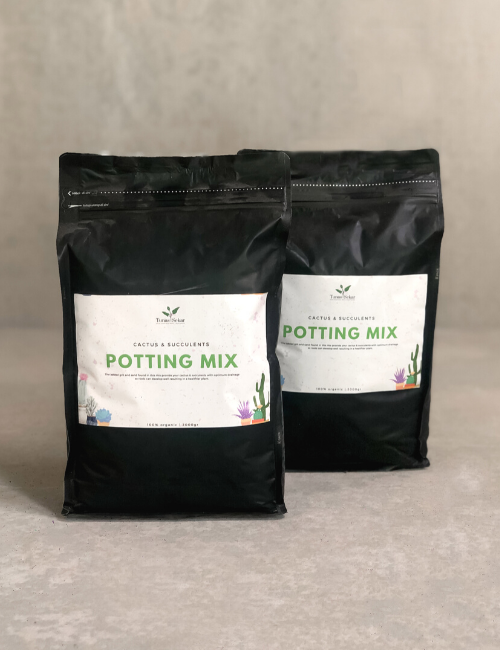 Potting Mix Succulents. 2500 gram. The added grit and sand found in this mix provide your cactus & succulents with optimum drainage so roots can develop well resulting in a healthier plant.
 -
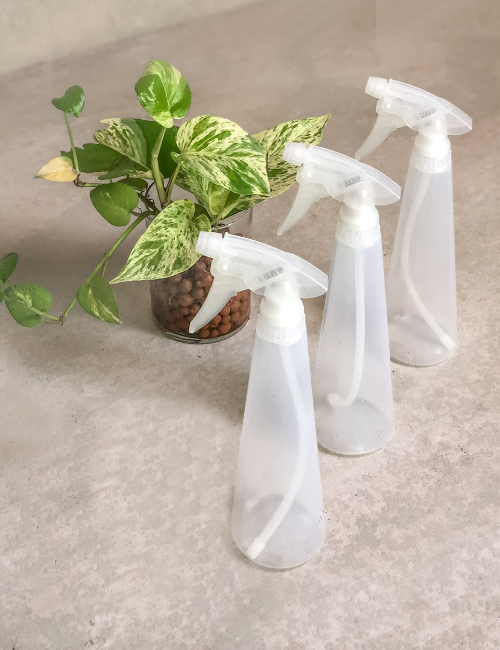 Spray Bottle. This essential 350ML spray bottles is fantastic for both home and commercial use. The adjustable spray nozzle coupled with the original 100% no-leak mechanism will set off your cleaning or gardening tasks to a perfect start.
 -
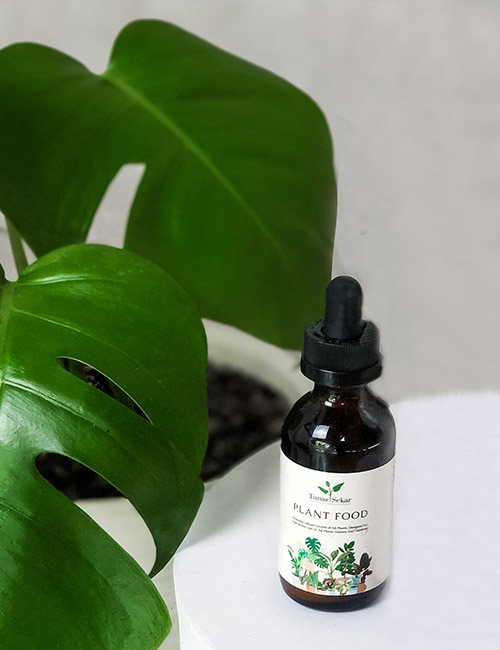 Plant Food. Promotes Vibrant Growth of All Plants, Designed For Year Round Use On All Plants, Indoors And Outdoors. This organic plant food will give your plants instant nutrients, promote root growth, special mix of nutrients encourages plants to grow twice as big, enhances natural immunity against insect and fungal attack and increase nutrients in the soil. How To Use: 1. Shake well before use 2. Mix 2 drops of plant food with 1 litre of water to a spray bottle or watering can 3. Best to spray before 10 AM and after 4 PM 4. Spray or add directly to the soil 5. You can add plant food every 7 days 6. Once you mix the plant food with water it need to be use within 24 hours 7. Keep away from children 8. Store in the cool place, avoid store it with direct sunlight
 -
 Hydroton. 500 gram. Horticultural clay pebbles are made from 100% natural clay. Clay pebbles are unique,lightweight expanded clay aggregate and porous which holds air in them and increases the aeration for the root system of the plant. The structural formation of these hydrotons is such that it is light in weight and has enough space inside to capture the air and let it release whenever the plants or harvest needs it.
 -
 Wonder Terracotta. Give little Wonder a blooming head of hair with this imaginative earthenware planter. Standing planter handmade with etched accents. Diameter 10 cm. Height 16cm.
 -
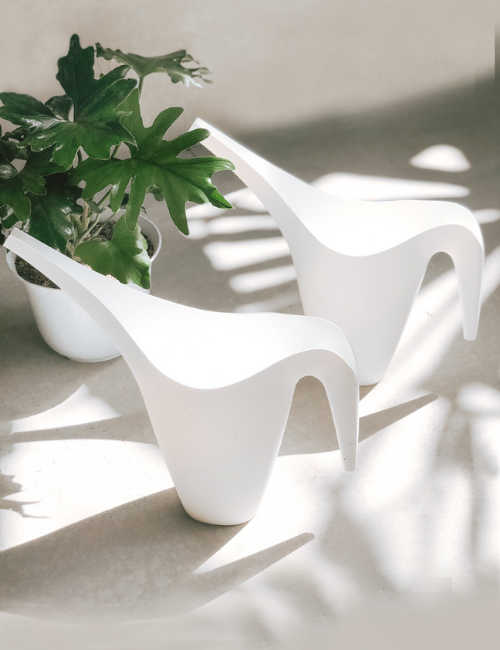 Watering Can. The 1.2L Plastic Watering Can is small, bright, sturdy and ergonomic in design. They are perfect for use with indoor plants and smaller outdoor pots holding an adequate 1.2 litres of liquid and have a narrow spout for getting into hard to reach areas of the garden.
 -
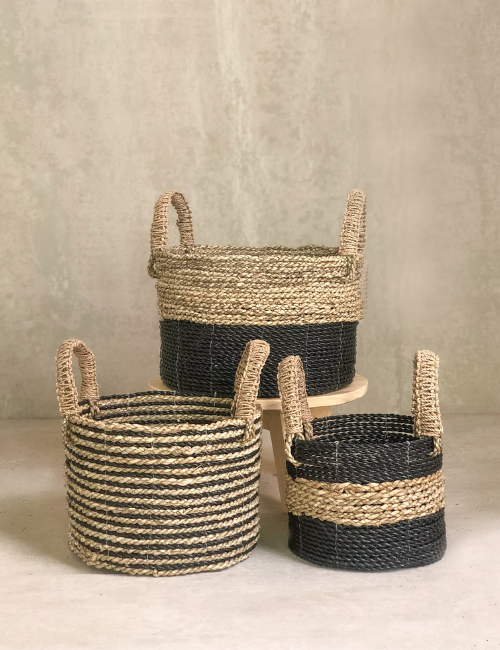 Josie Basket Display your plants in style with this Josie basket this versatile basket is a fabulous addition to nearly any room. It's crafted by hand and made in Indonesia from stain-resistant polypropylene material for assurance of quality, and the basket features a braided construction to ensure it's long-lived beauty and use in your home.
 -
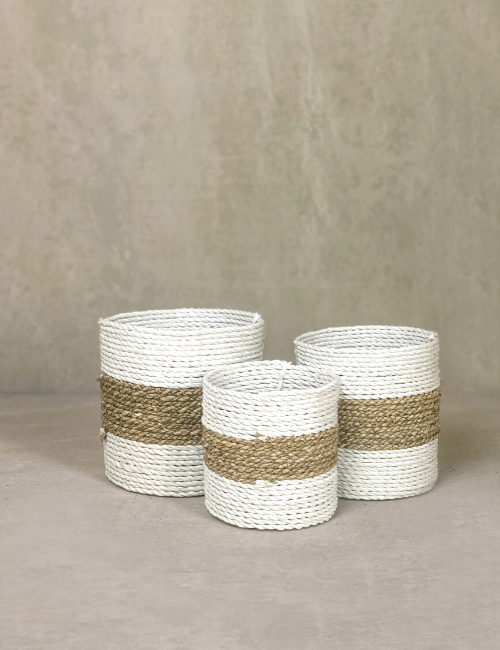
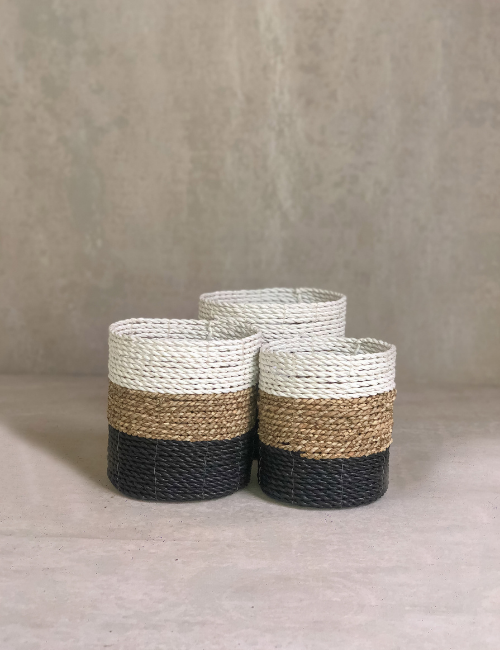 Lydia Basket. This handmade basket made in Central Java Indonesia is suitable for indoor plants decor. Available in 3 colours: - white / natural / white - white / natural / black - white / natural / orange
 -
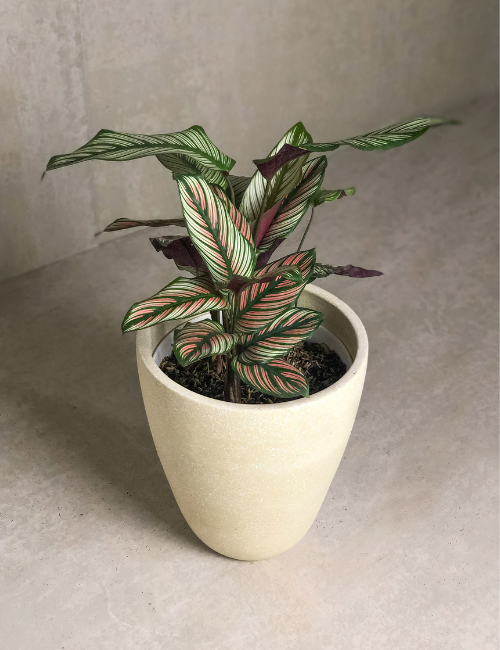
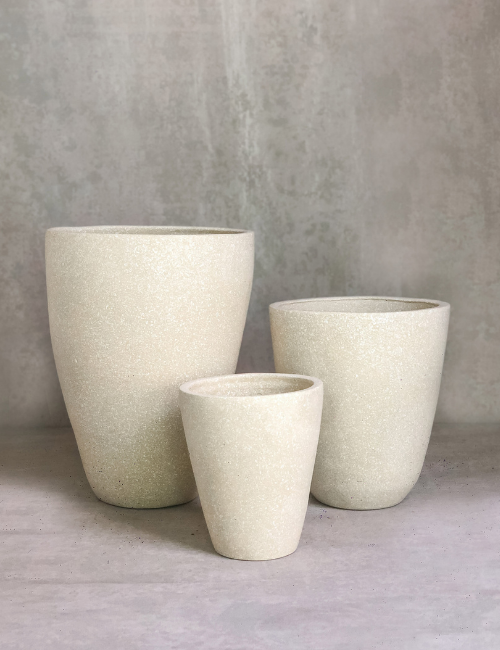 Alani Terracotta. This Terracotta pot with white finishing give simplicity and bring natural beauty to your special space with this great decorative accent. Minimalist touch and very trendy.
 -
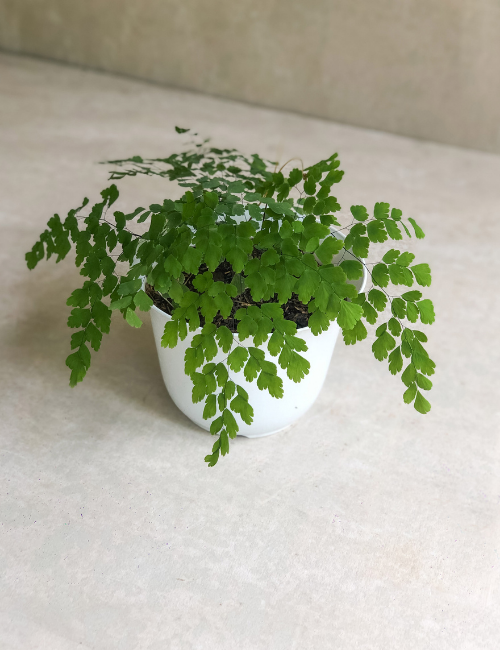 Maidenhair Fern. Maidenhair ferns have delicate fan-shaped leaf segments, typically clustered on wiry black stems. In addition to being a popular houseplant, maidenhair fern can also be found in nature, growing in places where other plants typically don't, like on rock walls and in between rock fissures where the moisture from water seepage keeps them alive. Prefers bright indirect light, avoid harsh direct sunlight that may burn your plant’s leaves. 2-3 times a week. Water sparingly, making the potting mixture barely moist and allowing the top third to dry out before watering again.
 -
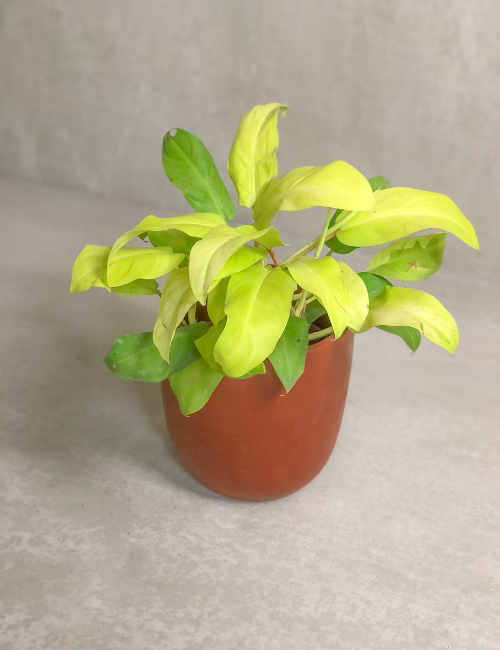
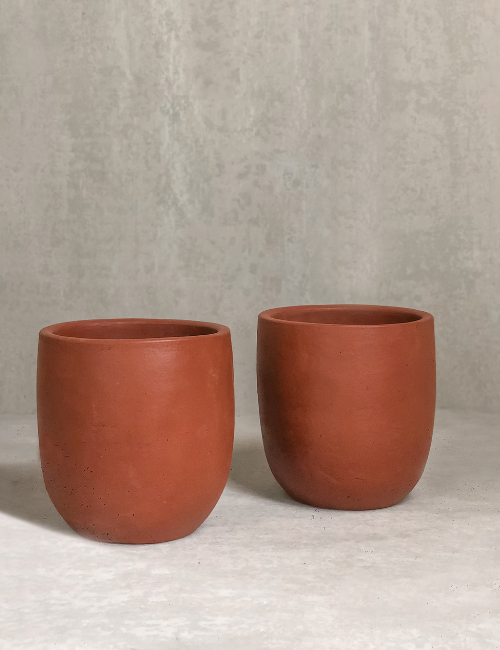 Oval Terracotta. Give your plants and home a facelift by adding new pots to your plants. Enhance a style or season, or have fun with a new splash of color in the room. Diameter 18 cm. Height 20cm.
 -
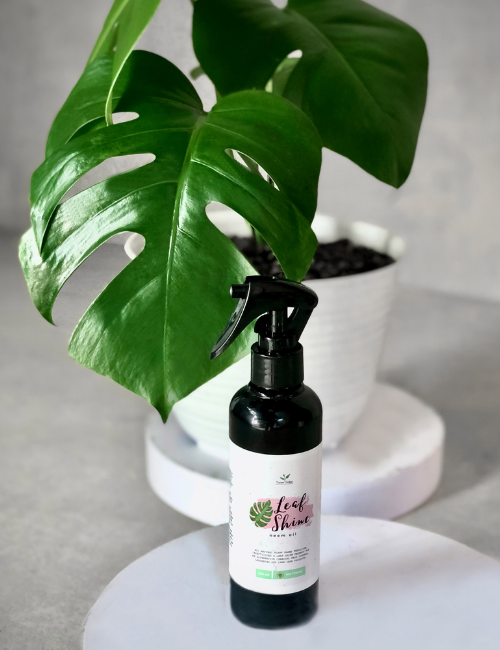 Leaf Shine. Tunas Sekar Leaf Shine Neem Oil is a Ready-To-Use spray. Contained Neem oil with 60% purity, gardeners can tackle the pests and fungal problems on favorite household plants and at the same time keeping your foliage looking shiny and healthy. This ready-to-use spray gets its fungal- and insect-fighting power from neem oil, an extract of the neem plant. Most importantly, this potent mixture kills insects at all life stages, including eggs, larvae and adult insect and as well makes your leafs shine up to 7 days. The 250ml bottles features a non-clogging, easy-to-use sprayer head for instant action against insects, mites and fungus issues. There’s no need to mix this neem solution, just spray and save the rest for next time.
 -
 Soil Meter. This kit will allow you to test soil moisture, ph value and sunlight level of plant with our soil test kit, helps you specialise in grasping when you need to water your plant.make them grow healthy and strong (this soil test kit can only be used in soil, it cannot be used to test any liquids) Function: * Soil Level: Measure soil moisture, pH and light by just plugging in the probe. * Scientifically Accurate: Easy to read moisture, ph and light levels, promotes healthy plants. * No Battery Needed. * GOT SOIL DATA: when to watering, control PH level, determine if plant getting adequate light. * Good ideal for promoting the plant growth both outdoor and indoor.
 -
 Calathea Ctenanthe Burle Marxii Amabilis The Peacock plant has large light glossy green leaves with dark green veins and blotchy patterns. The attractive foliage has a pattern reminiscent of a peacock’s tail feathers. New leaves grow rolled up exposing the purple colour underside. Calathea plants need bright, but not direct, sunlight to grow. This is because they grow on the floor of jungles and forests where they get limited light through the tops of the trees. In fact, direct sunlight will burn the leaves of a Calathea plant and cause it to lose its vibrant colors. 2-3 times a week, Calathea like to have moist soil or planting substances, but not soggy. They do not want lots of water.
 -
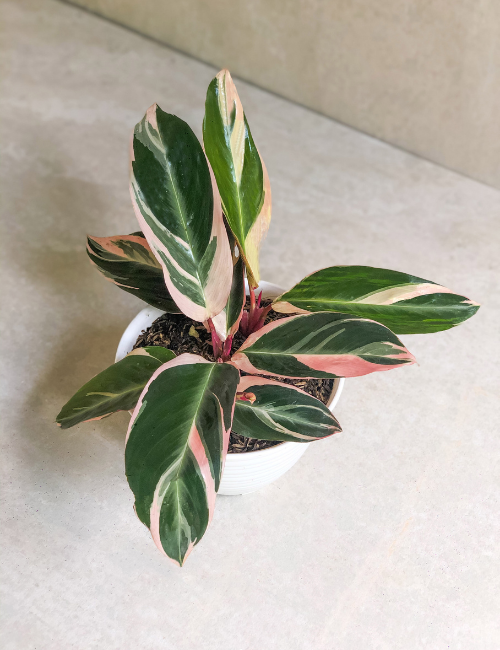 Calathea Stromanthe Triostar. The Stromanthe Triostar is one of those sensational, star-quality plants you fall in love with immediately. Its artistically splashed green-and-white foliage glows with pinkish hues will add extra colours to your home. Prefers bright indirect light, avoid harsh direct sunlight that may burn your plant’s leaves. Water about once a week (or more often if environment is very warm) to keep soil evenly moist but never soggy. Mist between watering to provide humidity.
 -

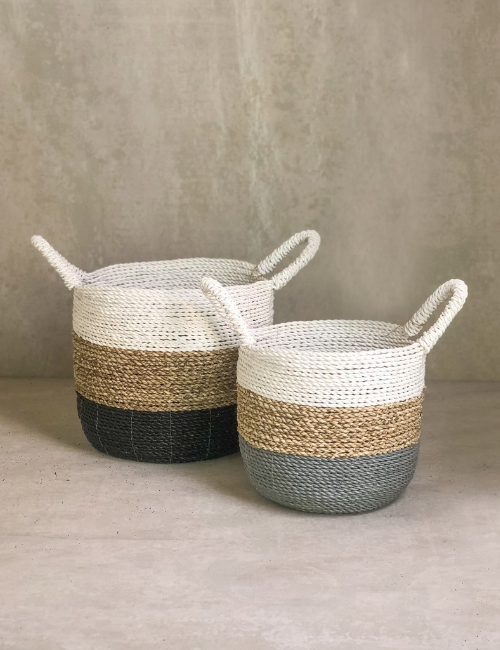 Devon Basket. This sophisticated style combines a blend of two different colours handmade in Indonesia to create a beautifully boho chic style to your house corners.
 -
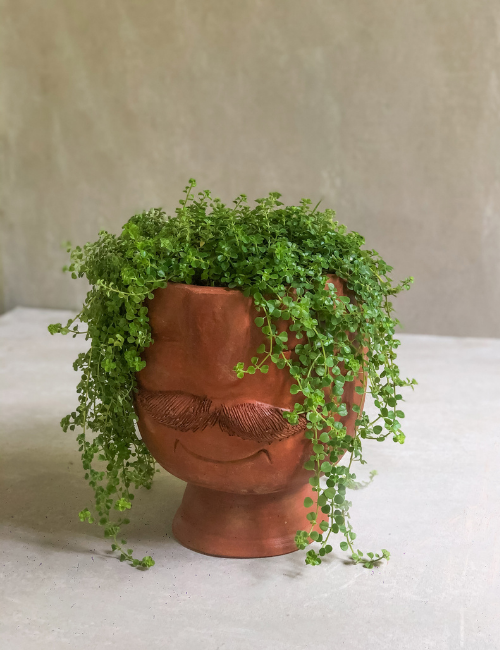
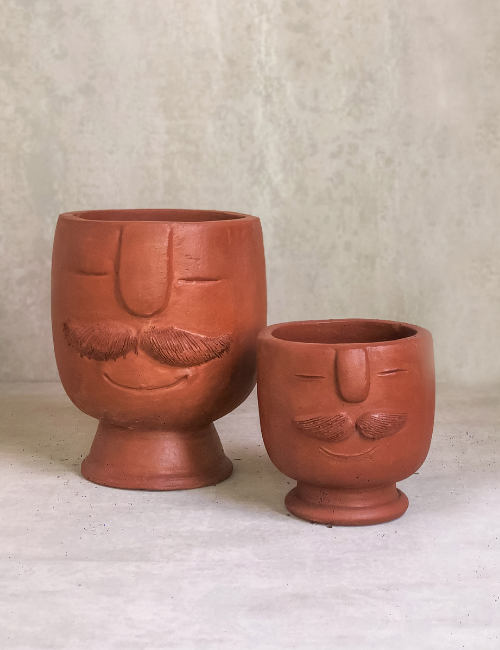 Pedro Terracotta. These pieces are hand-thrown on the throwing wheel. The process can not accurately reproduce each.
 -
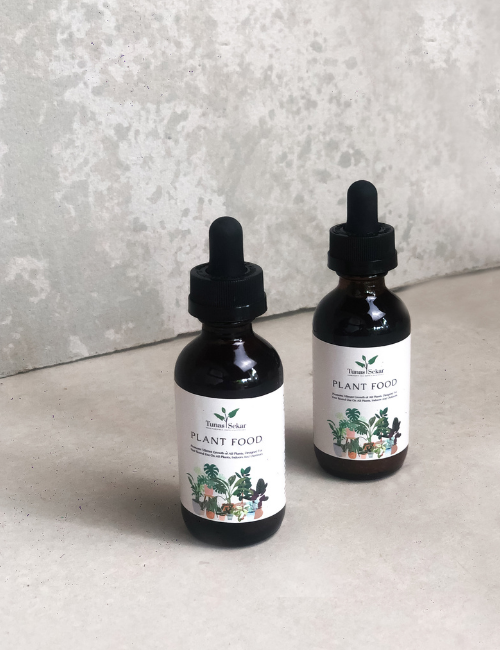 Plant Food Bundle This bundle contain 2 bottles of Plant Food to stock at home for your green friends! Promotes Vibrant Growth of All Plants, Designed For Year Round Use On All Plants, Indoors And Outdoors. This organic plant food will give your plants instant nutrients, promote root growth, special mix of nutrients encourages plants to grow twice as big, enhances natural immunity against insect and fungal attack and increase nutrients in the soil. How To Use: 1. Shake well before use 2. Mix 2 drops of plant food with 1 litre of water to a spray bottle or watering can 3. Best to spray before 10 AM and after 4 PM 4. Spray or add directly to the soil 5. You can add plant food every 7 days 6. Once you mix the plant food with water it need to be use within 24 hours 7. Keep away from children 8. Store in the cool place, avoid store it with direct sunlight ** This promotion only available via purchase on Tokopedia not applicable for in store purchase
 -
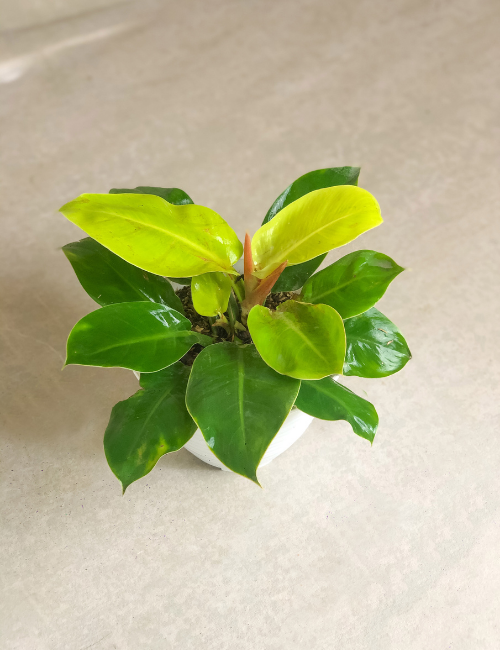 Philodendron Moonlight. This evergreen, clumping cultivar goes by the common name lime Philodendron. Why? Its leaves, and new growth sport a bright yellow-green chartreuse color. This color barely fades over time. Bright partial shade or indirect light will ensure a happy moonlight Philodendron. 2 to 3 times a week. If the soil is nearly dry, water it don't let the soil dry out entirely.
 -
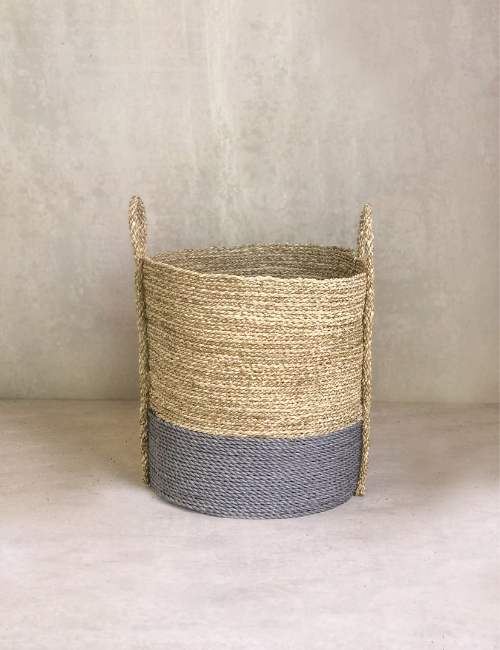
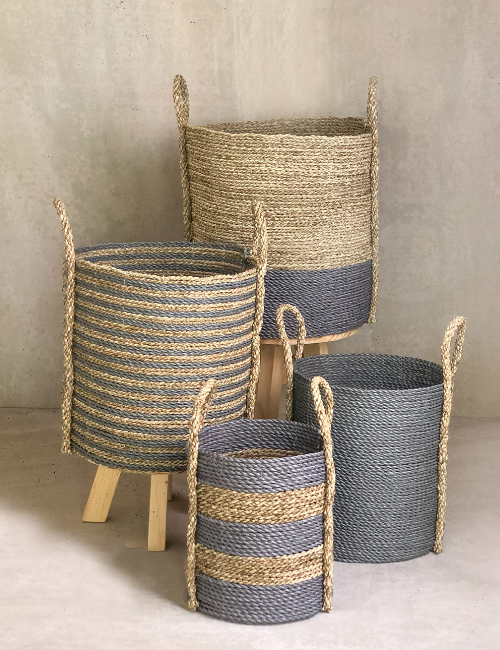 Gracie Basket. The sturdy basket designed with a circular shape is ideal for any indoor plants. Two attached handles offer carrying convenience to easily move this decorative storage basket around. Plus, it can be spot cleaned for easy care.
 -
 Plant Care Bundle A must have combo for your green friend at home. This bundle contain 1X Leaf Shine and 1X Plant Food suitable to use on all indoor plant
 -
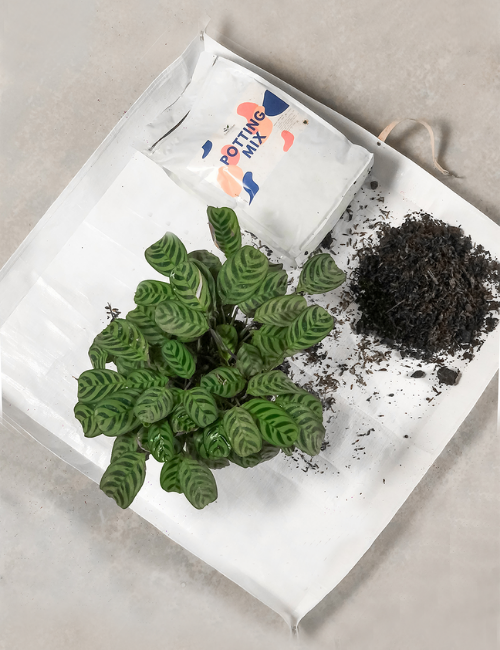 Potting Tarp These tarps were designed for re-potting your plants in small, indoor spaces or anywhere you don't want to make a mess. Made by recycled plastic, the fabric is highly UV, abrasion and water resistant. Equipped with snaps at each corner to fold up the tarp edges, this will help contain dirt while re-potting. Available in 2 sizes: Small: 65x65cm Large: 100X 100cm Black or White
 -
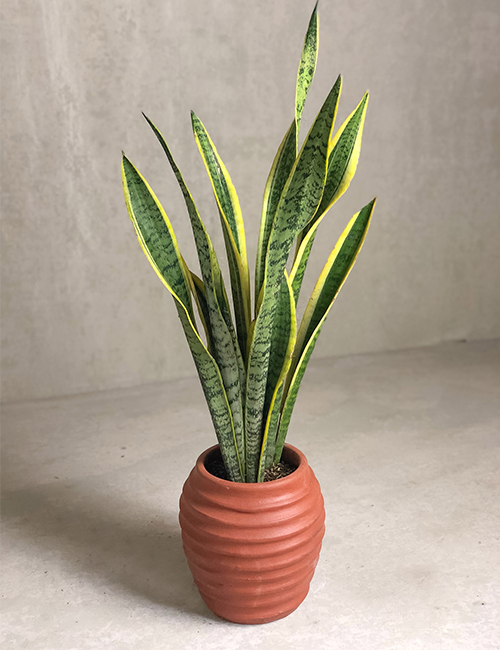 Sansevierias (Snake Plants) are some of the toughest plants you can find. Whether indoors, in your garden or on your balcony, these spiky beauties can put up with almost anything. Sansiviera prefer bright, indirect light and can even tolerate some direct sunlight. However, they also grow well (albeit more slowly) in shady corners and other low-light areas of the home. 3 -5 times a week depends on humidity of your room, please make sure to touch the soil before you water it.
 -
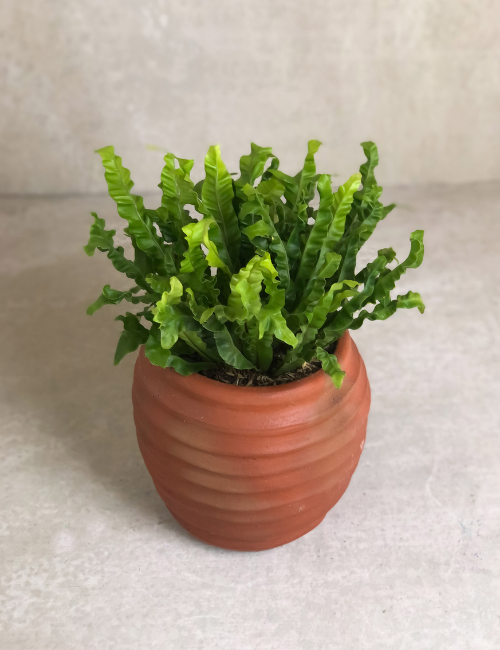 Asplenium Lasagna in Honey Bee Terracotta. Known as Kadaka Lasagna in Indonesia this plant is a favourite because its very wiggle-edged lush fern for tropical gardens and indoor decor - plant it somewhere shady and moist and watch it unfurl. No direct sunlight Only after Soil dries completely
 -
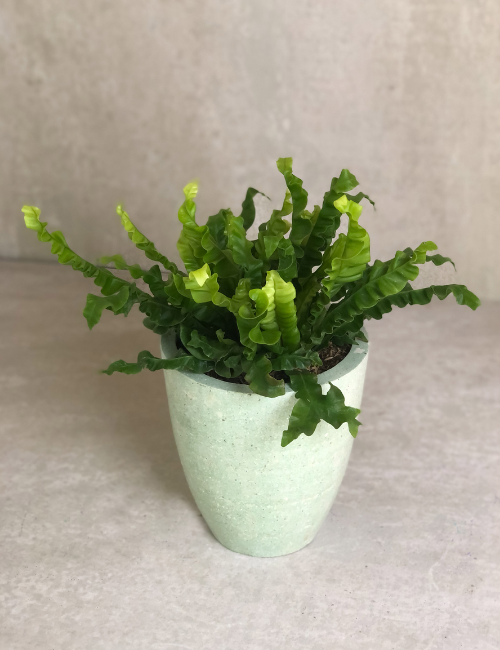 Asplenium Lasagna in Emerald Terrazzo. Known as Kadaka Lasagna in Indonesia this plant is a favourite because its very wiggle-edged lush fern for tropical gardens and indoor decor - plant it somewhere shady and moist and watch it unfurl. No direct sunlight Only after Soil dries completely
 -
 Begonia Malculata. Begonia maculata, or Polka Dot begonia as it’s often called, is a splashy show-stopper that looks fantastic with it’s olive green leaves and contrasting spots. It’s a houseplant that is likely to turn heads in your home, and thankfully it isn’t too difficult to care for. Bright, indirect light. Higher light levels will promote strong growth and blooms, but avoid direct sunlight Keep the soil generally moist, letting the top half inch of soil dry out between watering. Will not tolerate soggy soil.
 -
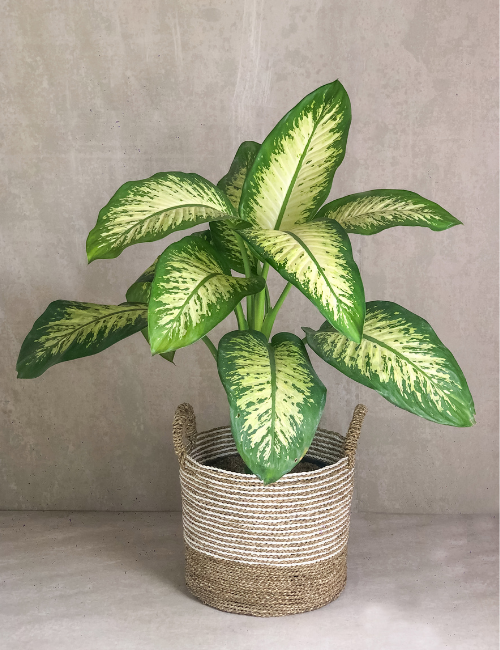 Dieffenbachia Seguine 'Tropic Snow'. Everything about the dumb cane, or dieffenbachia, is dramatic. Native to the tropics of Central and South America, it has huge variegated leaves. Even the way it grows is showy, new leaves curling up from the central stem before they unfurl. Price exclude basket. Diffenbachia likes a good amount of light throughout the day, but ideally not direct sunlight. 2-3 times a week. Water sparingly, making the potting mixture barely moist and allowing the top third to dry out before watering again.
 -
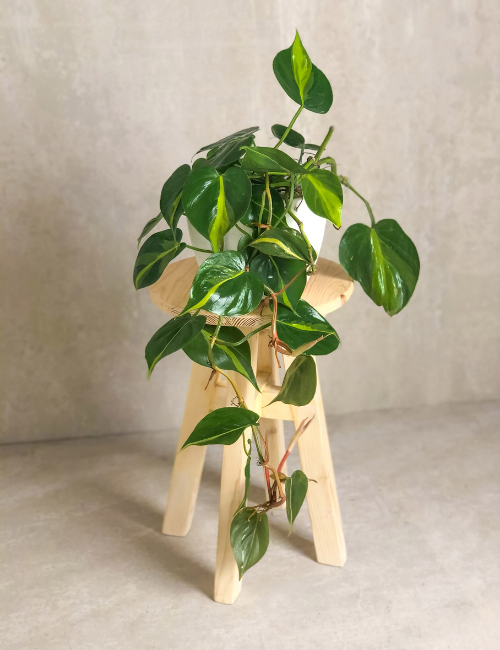 Philodendron Hederaceum 'Brasil'. Philodendron hederaceum 'Brasil' is a wild and bold cultivar of the classic Heartleaf Philodendron. Its variegated leaves look almost painted, with strokes of yellow and lime green across the deep green foliage. Low to bright, indirect light. 2-3 times a week. Water sparingly, making the potting mixture barely moist and allowing the top third to dry out before watering again.
 -
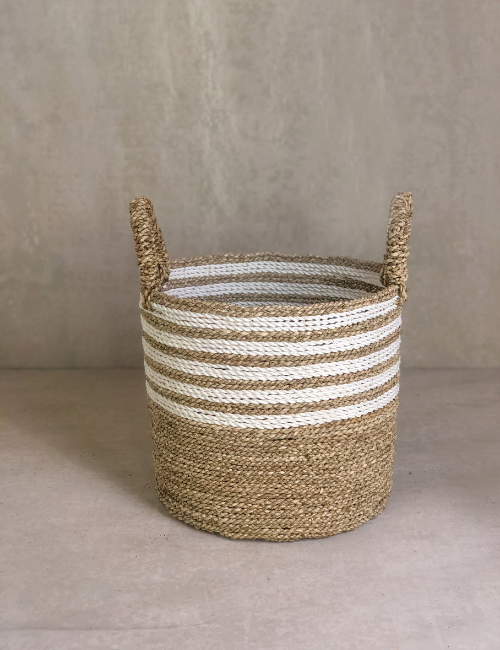
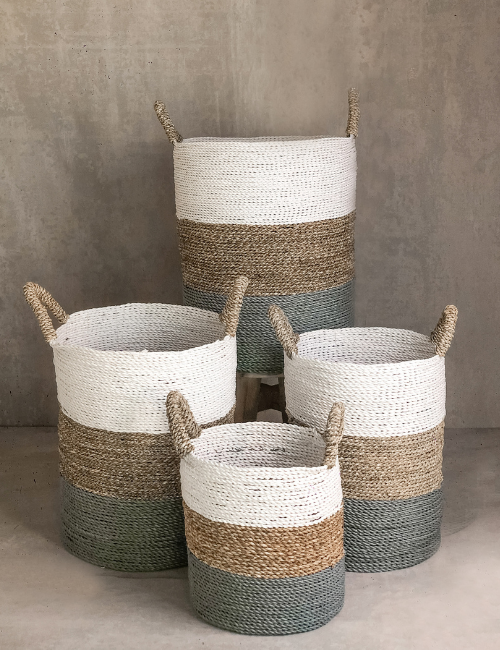 Big Sur Basket. Spruce up your home décor game with this ultra-functional basket from planters to storage the Big Sur Basket can be versatile as you need them to be.
 -
 Anthurium Laceleaf. The red oval spathes of a flamingo flower & Laceleaf make it really distinguishable. The flowers grow on orange spadix and grow densely. The heart-shaped flowers are actually morphed leaves and called spathes. The lifeline of spathes is about 8 weeks. The flowers are small in size and perfect in shape, hence, are deemed to be true flowers. The leaves of this flower can grow up to 18 cm long and twirl around the main stem. Indirect bright light is best for your plants. If you want your Anthurium plant to thrive and bloom properly, that’s the way to go about. In the absence of proper light, the plant can become spindly as it tries to reach out for light. Please note that anthurium requires indirect light and if you place it in direct sunlight, the leaves can develop brown edges due to sunburn. Let the topmost layer dry up to two inches before you water it again. Overwatering can cause root rot while not watering the plant properly can cause brown tips on leaves. However, the pot should be well-drained and there should be an arrangement to drain excess water.
 -
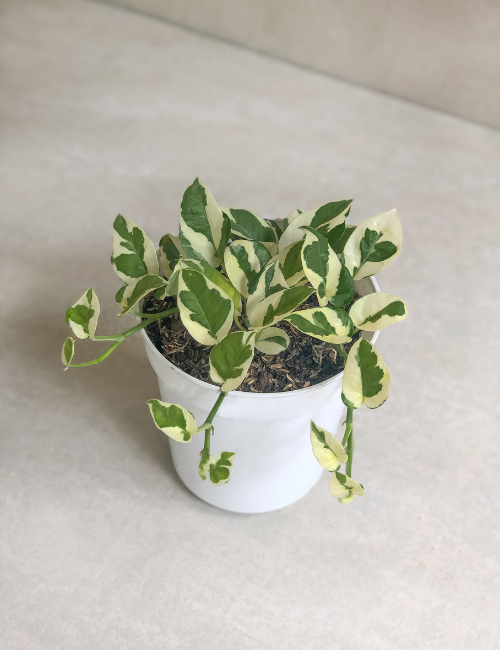 Pothos N'Joy. The tender leaves are fresh and are appealing, this plant unlike other pothos is not a fast grower, the color combination of so magnificent that you cannot move your eyes away from the plant. They love bright indirect light and no harm if exposed to morning sun but make sure that the plant is not exposed to harsh sun light as this may burn the leaves. 2-3 times a week. The Pothos N-joy grows best in moist soil be careful not to overwater it.
 -
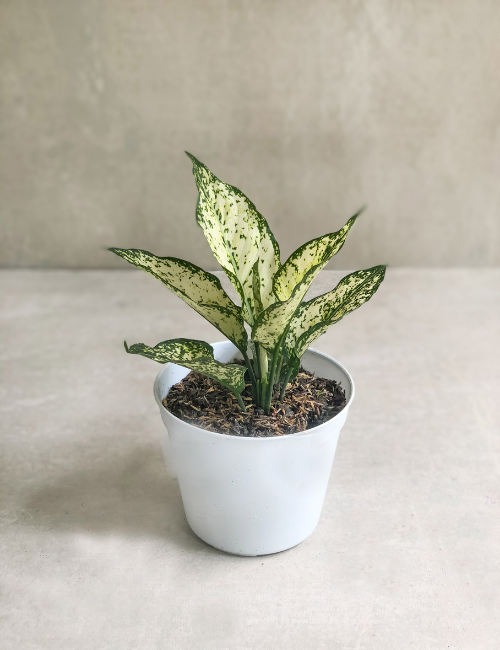 Aglaonema Snow White. Aglaonema, also known as Chinese Evergreen, is a highly decorative plant with several interesting varieties. It is one of the most popular houseplants and the colour variations—from dark green to silver, and some with hints of red—add to your home's decor. The darker green varieties of aglaonema can grow in near shade, while the variegated varieties require brighter light. Do not expose any variety of aglaonema to direct sun. 2-3 times a week, do not let the plant dry out completely.
 -
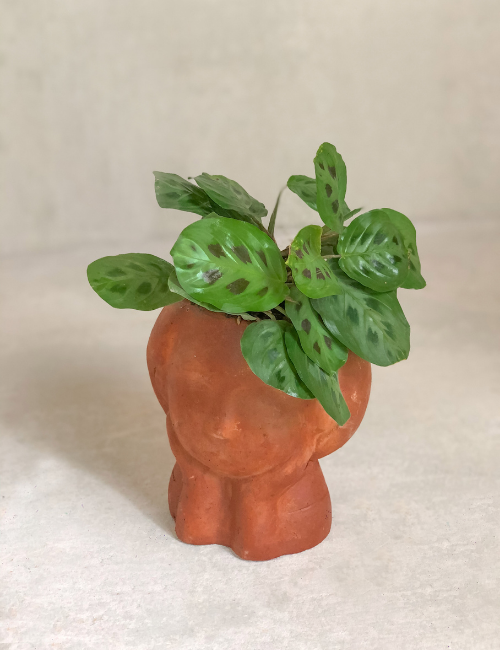 Calathea Maranta Leuconeura in Wonder Terracotta Calathea Maranta Leuconeura ‘Kim’ is a purple-spotted variety of prayer plant. Aside from the purple spots, the leaves have a cream-white streak for extra flair. Native to the tropical forests of Brazil, prayer plants are some of the most beautiful indoor houseplants you can find. They’re great in hanging baskets as they spread low and wide You can hang or set your prayer plant near a window where it will receive indirect sunlight. Never set your plant in direct sunlight because the sun will scorch the plant’s leaves or the leaves will develop blotches or patches and fade in color intensity. 2-3 times a week. Water the prayer plant when the top of the potting soil is just starting to become dry. These plants are very susceptible to drought; however, to avoid fungal problems, do not let water sit directly on the leaves or let the plant get soggy.
 -
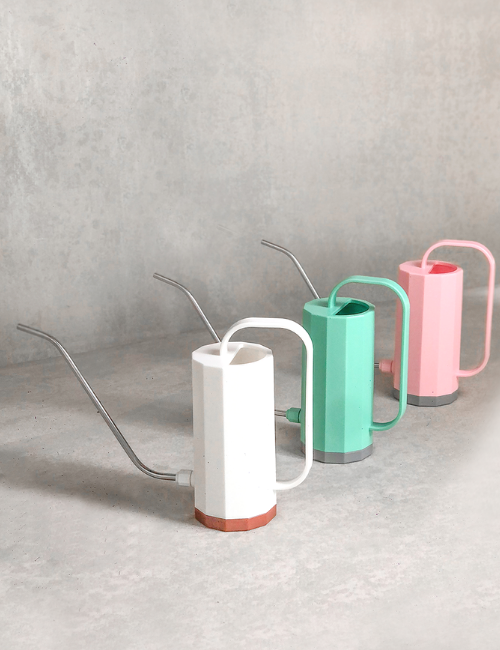 Unique cylindrical shape design, with soft candy color which add elegant style for your space. Long mouth design which is convenient to water all kinds of plants. Ergonomic handle is comfortable to hold.
 -
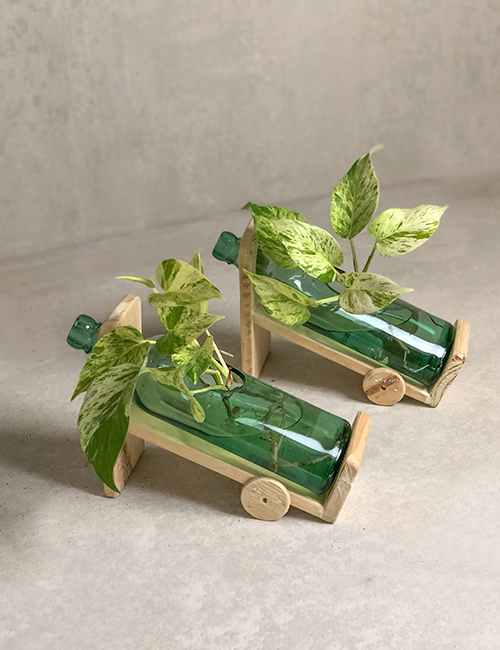 The pothos plant is considered by many to be a great way to get started caring for houseplants. Because pothos care in easy and undemanding, this lovely plant is an easy way to add some green in your home. To add up chic and unique essential to your home this Pothos in Recycle Bottle Frame will suit any corner and easy to care to just add water every 3- 4 days. Indoors, pothos prefers bright but indirect light. 3- 4 times a week, expect to water more often in brighter light and less often in lower light.
 -
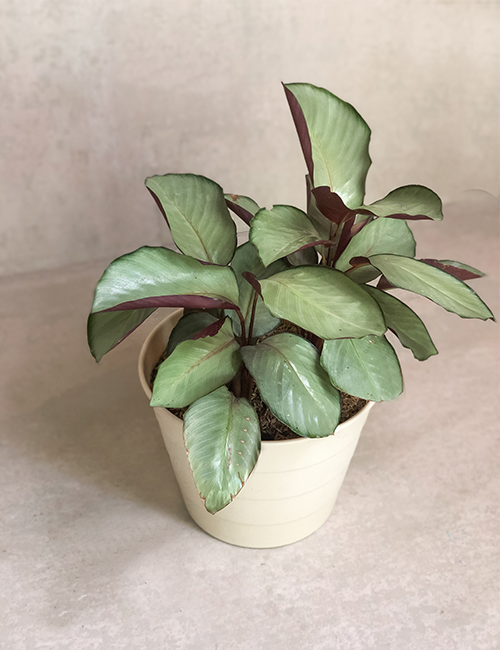 Calathea ‘Silver Plate’ has beautiful leaves which are uniformly glossy greenish-grey on top, purple below, sometimes with green margin, broadly ovate. Leaf stalks are purple that makes a wonderful indoor plant with decent look in your calathea collection. Bright but indirect light. Only water after Soil dries completely
 -
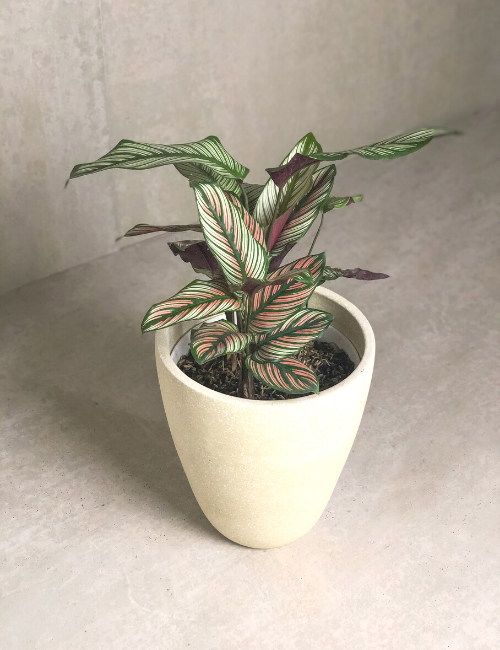 Calathea Majestica ‘White Star’ in Alani Terracotta. Calathea Majestica ‘White Star’ is a cultivar of the Ornata Species and one of the most elegant. With paint like white and pink stripes on the leaves, this calathea is a staple plant for the passionate collector. Bright, indirect light 2 to 3 times a week. If the soil is nearly dry, water it don't let the soil dry out entirely
 -
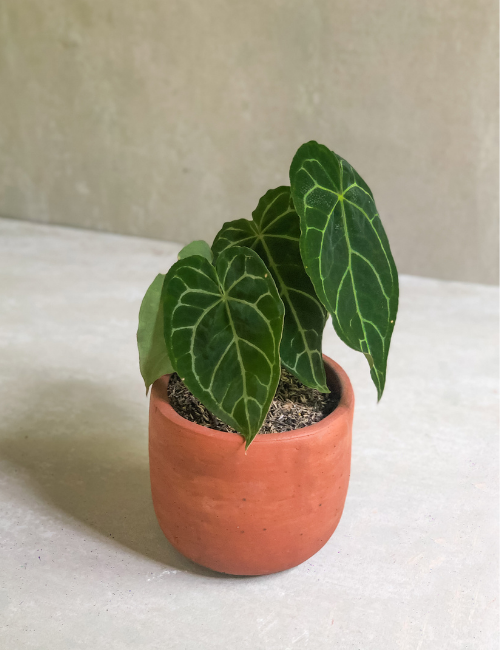 Anthurium Crystallinum in Terracota Pot. Native to Central and South America, the Anthurium Crystallinum is a heart-shaped evergreen with velvety foliage. The leaves of this beauty are dark green or reddish purple with deep, white veins that make it visually stand out. Anthuriums are widely enjoyed as outdoor plants in tropical gardens, but they also make excellent houseplants in the kitchen, patio, or living room. Full sun, partial shade 2-3 times a week
 -
 Asplenium Lasagna in White Terrazzo. Known as Kadaka Lasagna in Indonesia this plant is a favourite because its very wiggle-edged lush fern for tropical gardens and indoor decor - plant it somewhere shady and moist and watch it unfurl. No direct sunlight Only after Soil dries completely
 -
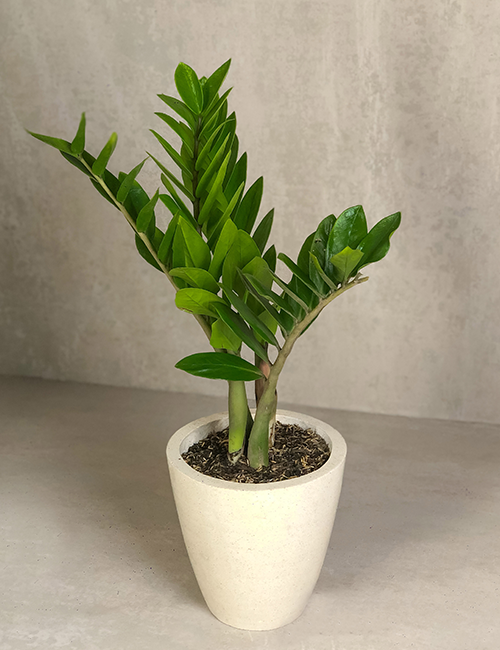 The ZZ (Zamioculcas zamiifolia), or Zanzibar Gem, is a semi-succulent native to the semi-arid regions of Eastern Africa. It is accustomed to long periods of dry conditions interspersed with bursts of generous rain Bright light is good but not essential. The zamioculcas zamiifolia grows fine with low levels of light, but it's best to avoid direct sunlight. Allow the soil to become dry at the top to the touch between watering and do not over water. It's best to water this plant less than too much because over-watering can cause stem and rhizome rot.
 -
 Calathea Majestica ‘White Star’ is a cultivar of the Ornata Species and one of the most elegant. With paint like white and pink stripes on the leaves, this calathea is a staple plant for the passionate collector. Added bonus: Calathea are not poisonous which means it’s pet friendly (non toxic to cats and dogs). Calathea love bright, indirect light Allow the soil to dry out halfway before watering. Typically when you see the surface of the soil is dry, it's safe to give them a water.
 -
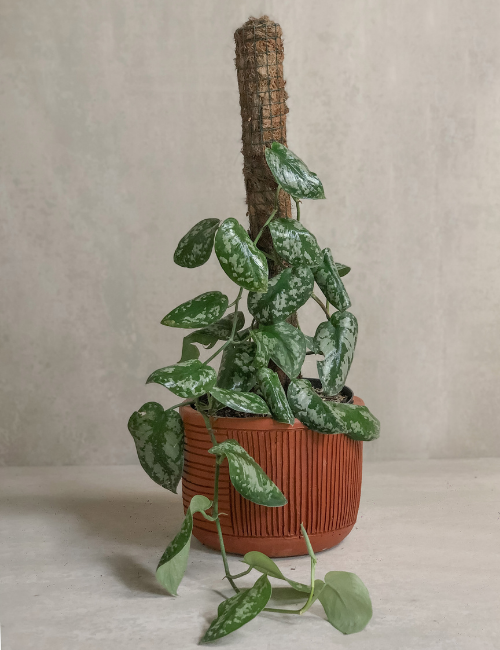
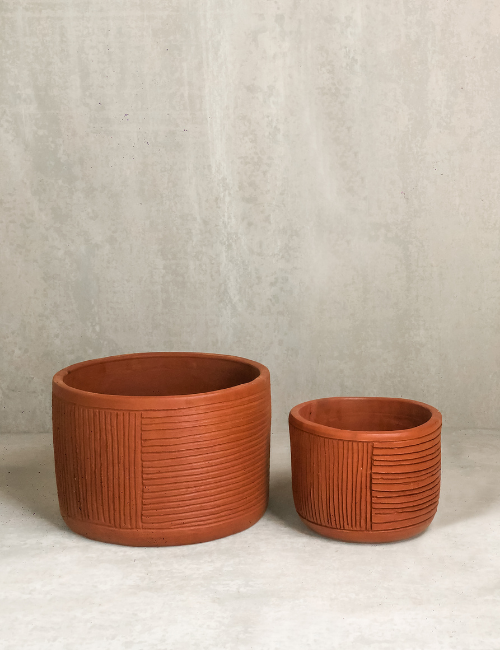 Dala Terracotta. To create a cozy atmosphere in your garden, it is not only the outdoor furniture that is important, but also the accessories you utilise. A stylish accessory is a sculpture or pot. Dala Terracotta pots are handmade in Indonesia perfect for any plants in your home.
 -
 The official name of this plant is Epipremnum pinnatum, the name of the variety "Aureum". However, the plant is better known under the old name: Scindapsus aureum, simply "Scindapsus". The Scindapsus belongs to the Araceae family and is native to the forests of Southeast Asia, where the leaves of the climbing plant can grow up to 100 cm. The European variety is a youthful form of this plant. Diameter pot 25cm Semi-shade, no direct sunlight The soil of the Scindapsus should never be dry and should therefore always be kept slightly moist. The plant is also used to this naturally in the rainforests. Too much water is not good and therefore make sure that there is no layer of water at the bottom of the pot.
 -
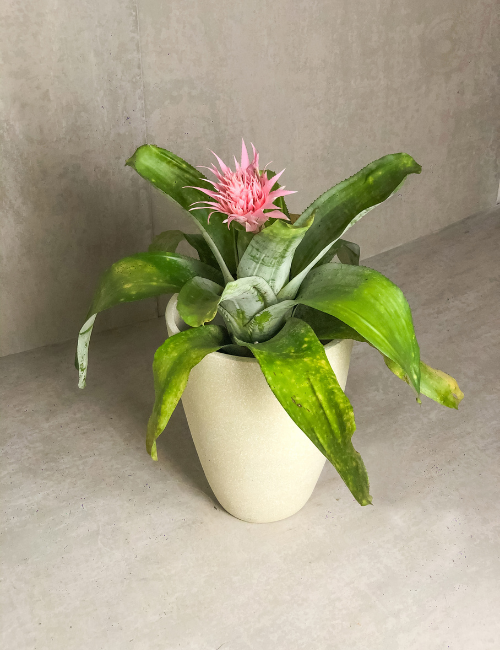 Bromeliad Aechmea in Alani Terakota. Bromeliad Aechmea is a tropical epiphyte, meaning that they naturally grow in trees for support. They are not parasitic, and have roots that cling to branches. The flowers are actually bracts that can remain colourful for up to 2 or more months. Aechmeas like bright light, like near an east or west window. They need this exposure to bring out the variegation in their foliage & also to flower. 2-3 times a week. If the soil is nearly dry, water it don't let the soil dry out entirely.
 -
 Peperomia Watermelon in Alani Terracota. Watermelon peperomia (Peperomia argyreia) is appreciated for its rounded, fleshy leaves marked with silver and dark green stripes that resemble the markings of a watermelon. Watermelon peperomia is a low-growing plant that reaches only 6 to 8 inches tall at maturity. Prce include Alani Terracotta pot, exclude wood stand. Watermelon peperomia thrives in bright, indirect sunlight. Water thoroughly when the top 2 – 3 cm of soil is dry to the touch. Allow the soil to dry out a bit between watering. Always keep an eye on your plant–if the leaves droop or feel a bit thin, it may also be time to water.
 -
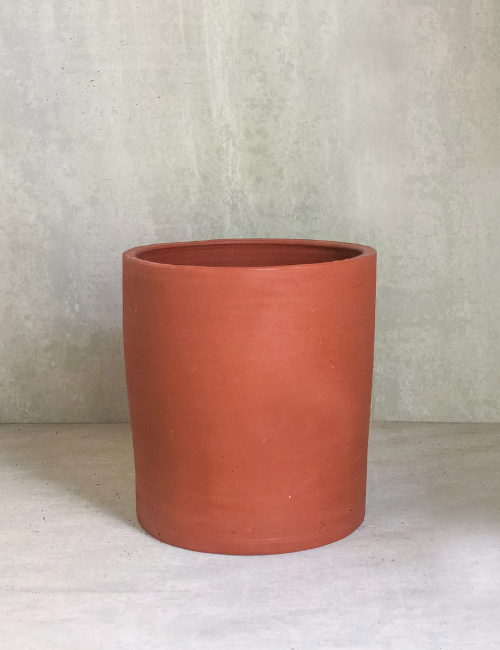 Deep Cylinder Terracotta This simple and sleek or boho wonderland, no matter where these planters call home, they'll fit right in. A classic design and durable finish, makes these the perfect planter for any space. Includes a drainage hole.
 -
 The elongated leaves of the Schefflera plant liken its shape to that of an umbrella. Thus its nickname, the Umbrella Tree, makes a lot of visual sense. The combination of its attractive leaves and detoxifying powers makes the Schefflera plant a very popular indoor plant. Our experts at Ambius know how popular the Schefflera plants are, and can help improve your business or office environment Schefflera plants prefer medium-light, meaning they should be kept in bright light, but the light should not be direct. The best advice is to water once the top soil becomes dry. Over-watering is more of a problem than lack of water.